
Latest News
Stay updated with our latest research developments and breakthroughs.
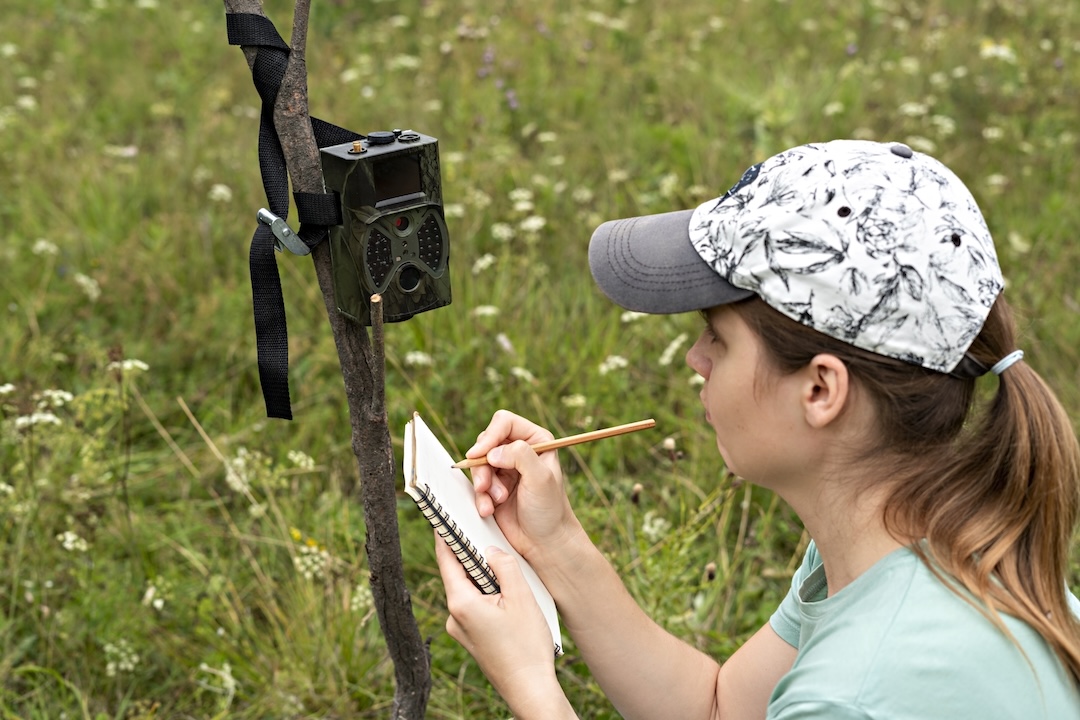
Tiny, lightweight sensors are revealing the incredible journeys birds take across the globe. Once limited to broad estimates, scientists can now track individual birds in real time, following their exact flight paths, altitude changes, and rest stops along the way. These miniaturized devices, often weighing less than a paperclip, transmit data via satellite, uncovering migratory routes that span oceans and continents.
The insights gained are already reshaping conservation strategies. By identifying crucial feeding and resting areas, researchers can prioritize habitat protection where it matters most. The data also show how climate change is shifting traditional migration routes, forcing species to adapt to new weather patterns and food sources. As technology advances, scientists hope to build a global map of migration that can help safeguard these ancient aerial highways for generations to come.
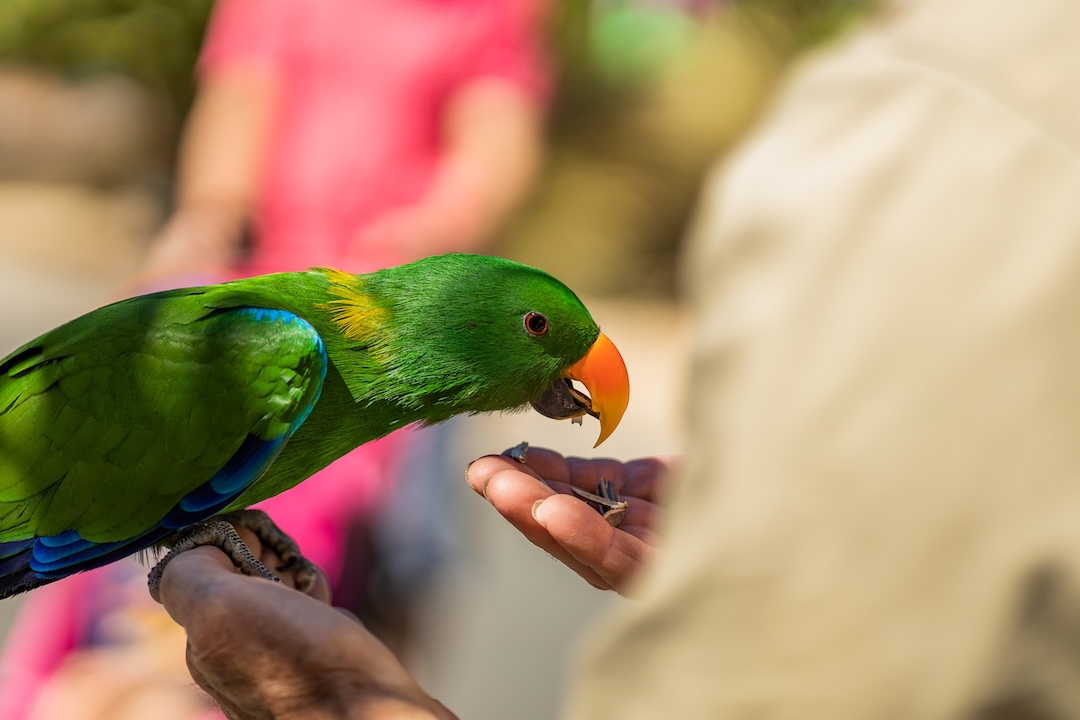
Artificial intelligence is changing the way ornithologists observe and understand birds. Using deep learning algorithms, researchers can now analyze thousands of hours of field recordings to identify species by their songs and calls in seconds. AI-powered image recognition tools also classify bird photos automatically, detecting subtle details that human eyes might miss. These technologies are reducing the time and effort needed for fieldwork, enabling scientists to focus on larger ecological questions.
More importantly, AI is opening new doors in conservation. Real-time monitoring systems can alert researchers when rare species are detected in the wild, helping to guide protection efforts. Machine learning is also being used to predict population shifts under climate change, offering critical insights for long-term planning. What once took months of manual data collection can now be achieved in minutes, marking a new era in bird research where technology and ecology work hand in hand.

Across bustling cities, birds are proving far smarter than many once believed. Researchers observing species like crows, pigeons, and sparrows have documented an impressive range of adaptive behaviors — from recognizing traffic lights to dropping nuts on busy roads for passing cars to crack. Some even use cigarette butts to line their nests, exploiting the nicotine’s insect-repelling properties to protect their chicks from parasites.
Scientists say these behaviors reveal not just adaptability but genuine problem-solving intelligence. The urban environment, with its constant noise, pollution, and unpredictability, may be accelerating cognitive evolution in birds. As natural habitats shrink and cities expand, these “feathered innovators” could serve as key indicators of how wildlife learns to coexist with human development — and how intelligence itself evolves under pressure.

For centuries, humans have marveled at the melodies of birds, but new research shows those songs are more complex than ever imagined. Using high-resolution acoustic analysis, scientists have decoded subtle variations in tone, rhythm, and pacing that carry specific meanings — from territorial warnings to emotional cues. Some species even alter their songs depending on their audience, adjusting pitch or tempo when courting a mate or confronting a rival.
These findings challenge long-held assumptions about avian communication. Birdsong, it turns out, is not just instinctive noise but a sophisticated form of language shaped by social interaction and environment. Understanding these hidden messages could shed light on how communication evolves across species — including our own. The study of birdsong is no longer just about listening; it’s about decoding a living, dynamic language in nature’s oldest symphony.